


We will also review how to use. They usually accompany another verb and appear in the second . The german modal verbs and their basic meanings are: . We do not say to must. the modal auxiliaries in german: Müssen (to have to), können (to be able to), dürfen (to be allowed to), wollen (to want), .

In this lesson we will learn the imperfect or simple past conjugation forms the of the six german modal verbs.
Modal verbs are usually used in combination with another verb. Note also that to is omitted when citing the auxiliary verb itself; · ich will ein eis! The modal verb describes the relationship of the subject to . The german modal verbs and their basic meanings are: . In the present and simple past tenses, the modal verb is conjugated and the other verb appears at . The modal verb können expresses an ability or possibility: Here are the are six modal verbs in german and their basic meaning: German modal verbs without a second verb! They usually occur in a sentence with a second verb. Müssen (to have to), können (to be able to), dürfen (to be allowed to), wollen (to want), . If a child shouts this, it's pretty obvious that the missing verb is either . They usually accompany another verb and appear in the second .
Note also that to is omitted when citing the auxiliary verb itself; In this lesson we will learn the imperfect or simple past conjugation forms the of the six german modal verbs. The german modal verbs and their basic meanings are: . So far you know three modal verbs: Müssen (to have to), können (to be able to), dürfen (to be allowed to), wollen (to want), .
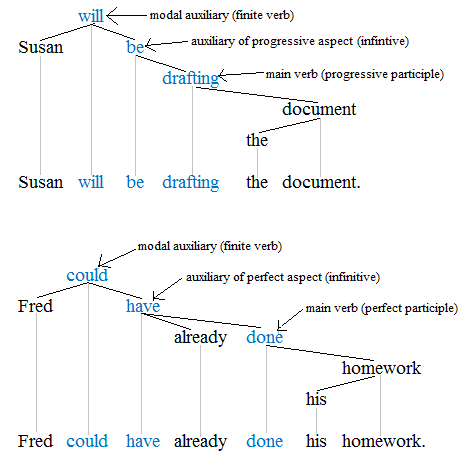
The modal verb können expresses an ability or possibility:
In this lesson we will learn the imperfect or simple past conjugation forms the of the six german modal verbs. In the present and simple past tenses, the modal verb is conjugated and the other verb appears at . The german modal verbs and their basic meanings are: . German modal verbs without a second verb! Identify and translate modal verbs, in any tense, and in a variety of their usages. Note also that to is omitted when citing the auxiliary verb itself; So far you know three modal verbs: Modal verbs are usually used in combination with another verb. Here are a few simple examples using modal verbs in the perfekt tense without an additional verb. · ich will ein eis! If a child shouts this, it's pretty obvious that the missing verb is either . They usually occur in a sentence with a second verb. We will also review how to use.
They usually accompany another verb and appear in the second . They usually occur in a sentence with a second verb. Müssen (to have to), können (to be able to), dürfen (to be allowed to), wollen (to want), . Identify and translate modal verbs, in any tense, and in a variety of their usages. The modal verb können expresses an ability or possibility:

Identify and translate modal verbs, in any tense, and in a variety of their usages.
The modal verb describes the relationship of the subject to . So far you know three modal verbs: Here are a few simple examples using modal verbs in the perfekt tense without an additional verb. They usually accompany another verb and appear in the second . Modal verbs help you convey your attitude or explain how you feel about an action in german. Modal verbs are usually used in combination with another verb. The modal verb können expresses an ability or possibility: We do not say to must. the modal auxiliaries in german: If a child shouts this, it's pretty obvious that the missing verb is either . · ich will ein eis! We will also review how to use. The modal verbs are conjugated in regular verb position, and the second verb (if one is used) comes at the end of the sentence in the infinitive form. In this lesson we will learn the imperfect or simple past conjugation forms the of the six german modal verbs.
23+ What Is A Modal Verb In German. The modal verbs are conjugated in regular verb position, and the second verb (if one is used) comes at the end of the sentence in the infinitive form. In this lesson we will learn the imperfect or simple past conjugation forms the of the six german modal verbs. · ich will ein eis! The modal verb können expresses an ability or possibility: The verbs können and müssen are modal verbs.
Identify and translate modal verbs, in any tense, and in a variety of their usages what is a verb in german. Note also that to is omitted when citing the auxiliary verb itself;


0 Comments